
Asia Zero Emission Center

Sector-Specific Actions
The section on Sector-Specific Actions provides detailed insights into three key sectors that are vital for achieving decarbonisation: Power, Mobility, and Industry. These sectors form the backbone of Asia's economy, and transitioning them towards cleaner, more sustainable technologies is essential. In addition to these sectors, the study also examines cross-sectoral themes that influence and connect their decarbonisation pathways.
Cross-Sectoral Initiatives
Leveraging synergies across sectors, the Center addresses complex, interconnected themes including Hydrogen and Ammonia, Biofuels, Natural Gas, Carbon Capture, Utilisation, and Storage (CCUS), and Critical Minerals.
By comprehensively mapping and analysing sustainable supply chains, fostering innovation, and promoting low-carbon technologies, we strategically support ASEAN nations to advance efficiently toward their shared decarbonisation goals. These cross-sectoral initiatives highlight the necessity of collaborative efforts, innovation, and integrated policymaking for successful sustainable transitions.

Hydrogen and Ammonia
Achieving carbon neutrality in ASEAN requires diverse pathways, including the integration of hydrogen and ammonia into the energy mix.

Biomass Biofuels
Biomass utilisation is an important issue for ASEAN Member States, where agriculture and forest industry remain crucial.

Natural Gas
Natural Gas remains to play a vital role to meet continued rapid economic growth and energy demand in ASEAN region.
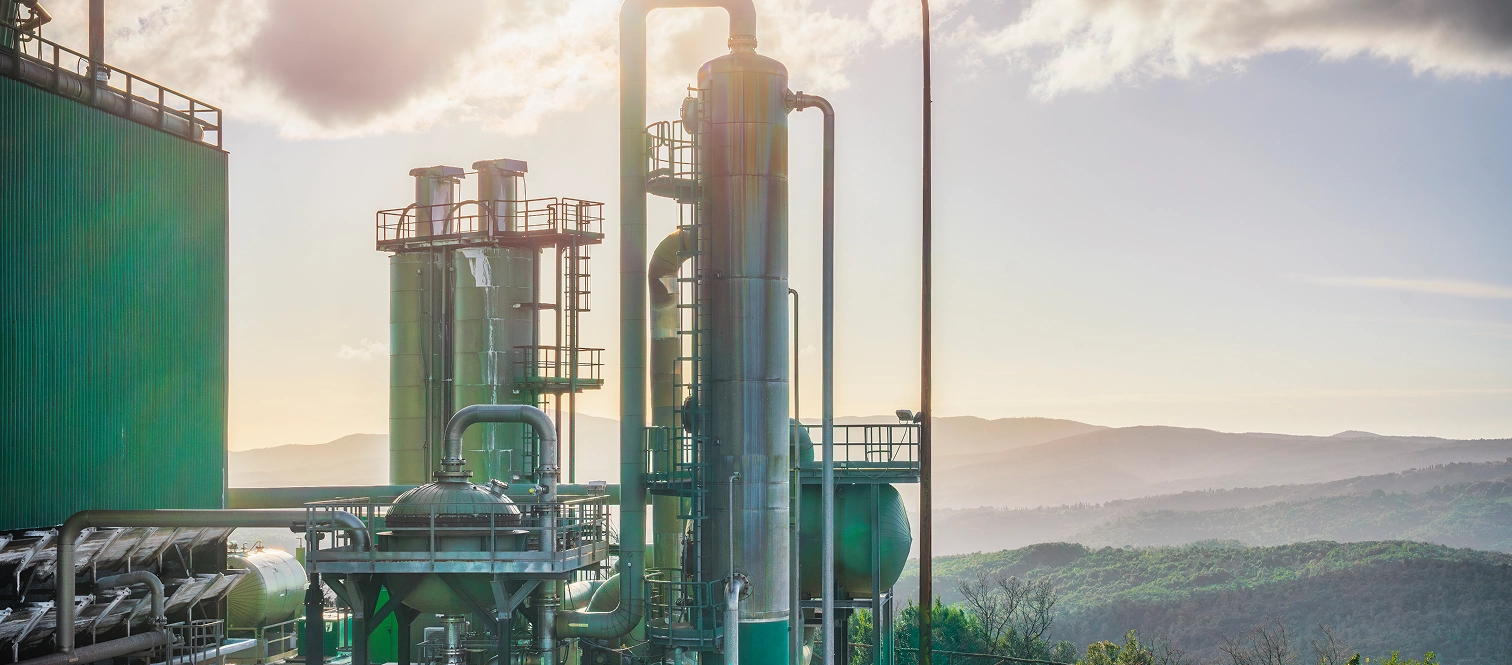
Carbon Capture, Utilisation, and Storage
AZEC and East Asian Summit leaders consider the CCUS technology to be a necessary technology toward the goal of carbon neutrality.

Critical Minerals
Secured and resilient (reliable) critical mineral supply chains are essential for energy transition, including those for nickel, tin, rare-earth elements, and bauxite.